Many service-based businesses struggle with one recurring issue: their work is scattered. Leads come from emails or forms. Estimates are sent manually. Projects are tracked in spreadsheets. Employees report time informally. Customers keep calling for updates. Payments are followed up through reminders. Nothing feels connected. This CRM was designed to fix that—not by adding more tools, but by connecting the entire customer journey in one system.
Related service: Custom Software Solutions
The problem: fragmentation turns into operational chaos
As service-based businesses grow, their work becomes increasingly fragmented. Leads come from emails or forms, estimates are sent manually, projects are tracked in spreadsheets, employees report time informally, customers keep calling for updates, and payments are followed up through reminders. Nothing feels connected.
This fragmentation turns into delays, missed follow-ups, unhappy customers, and stressed teams. The challenge wasn't a lack of tools—it was a lack of connection between them.
- Leads scattered across emails and forms
- Estimates sent manually with no tracking
- Projects tracked in disconnected spreadsheets
- Employee time reported informally
- Customers calling repeatedly for updates
- Payments followed up through manual reminders
- No connection between different stages of the customer journey
As the business grows, this fragmentation turns into delays, missed follow-ups, unhappy customers, and stressed teams.
The vision: one continuous workflow
The goal of this CRM was clear: build a system where a business can manage leads, projects, employees, customers, schedules, communication, and finances—all in one place. Instead of treating CRM, HR, scheduling, and billing as separate problems, this platform treats them as one continuous workflow.
Everything connects. No duplicate data. No manual handovers. The system flows naturally from lead to project to payment.
How the system works: the complete customer journey
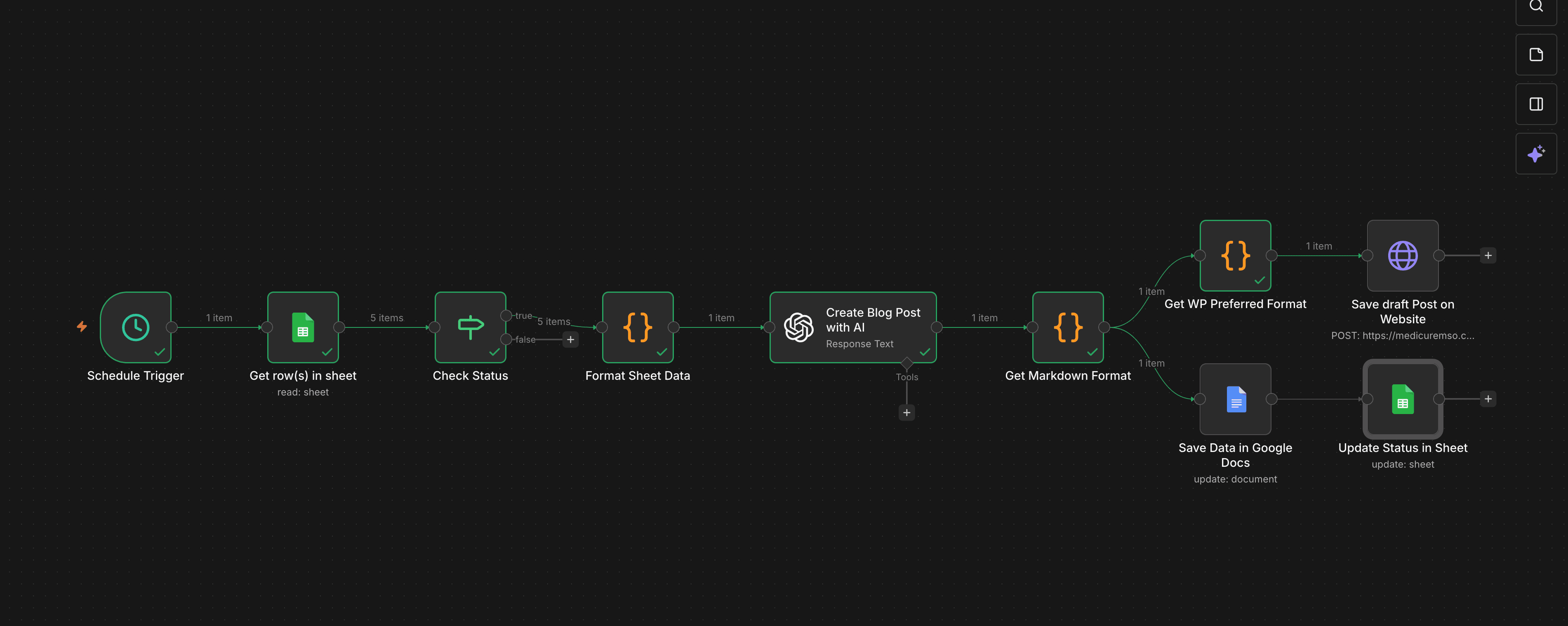
Everything starts with a lead. A lead enters the CRM and is instantly visible to the admin. From there, an estimate is created and emailed to the client. The client reviews and approves the estimate. Approval automatically converts the lead into a project. The client becomes a customer with a dedicated portal. The project is broken into jobs. Employees or crews are assigned. Time, progress, and communication are tracked. Payments, invoices, and expenses stay linked to the project.
No duplicate data. No manual handovers. The entire journey flows seamlessly from one stage to the next.
No duplicate data. No manual handovers. The entire journey flows seamlessly from one stage to the next.
Core modules: explained simply
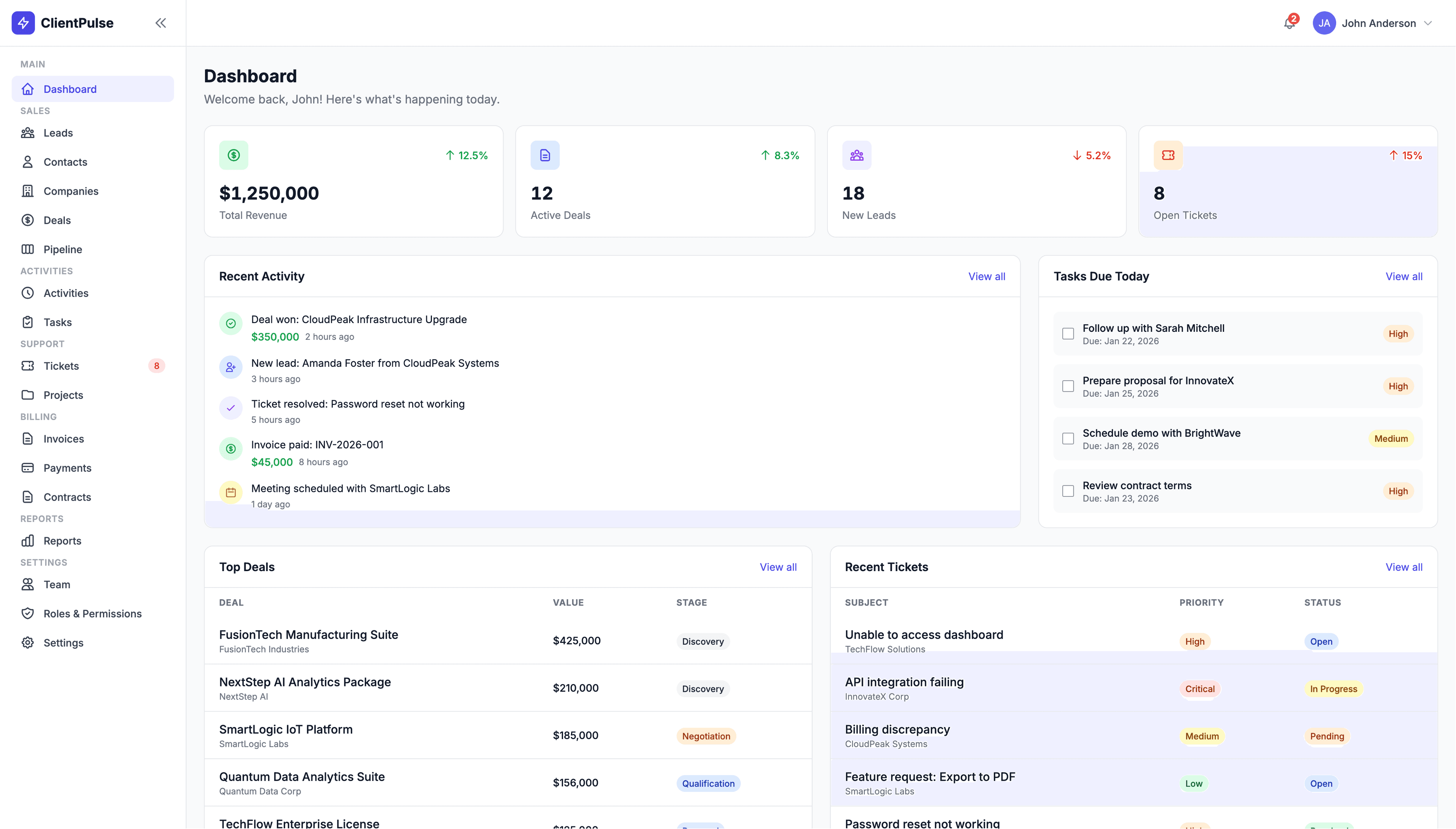
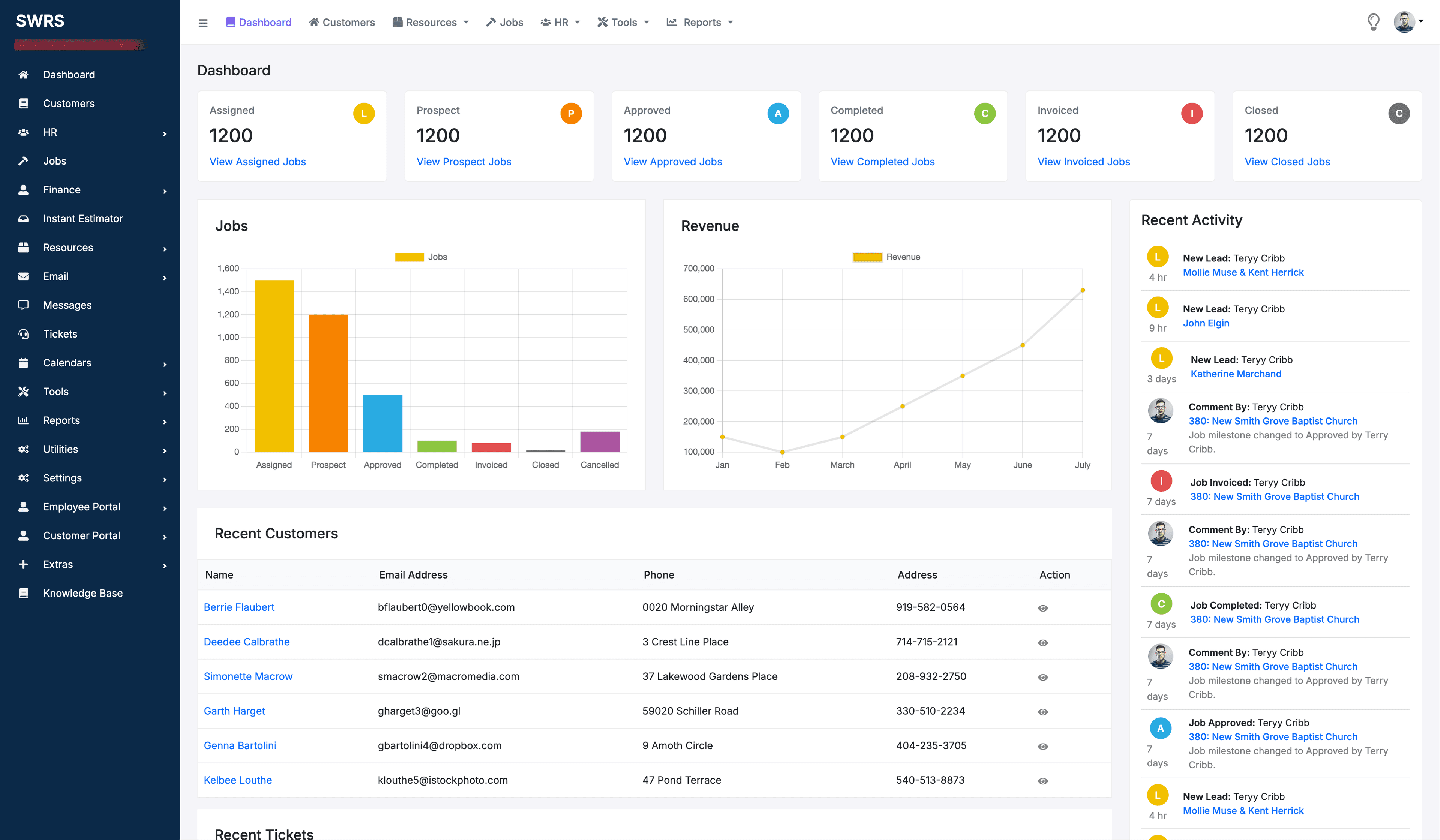
The platform is built around core modules that work together to create a complete operations system. Each module is designed to be intuitive while connecting seamlessly with the others.
- Leads & Estimates: Leads can be added manually or generated automatically. Each lead can receive a professional estimate via email. Once approved, the system moves forward automatically—no re-entry required
- Projects & Jobs: Projects can be broken down into smaller jobs such as inspections, execution phases, or final delivery. Different employees or crews can be assigned to each job, making progress tracking clear and structured
- Customer Portal: Once a client approves an estimate, they receive access to a customer portal where they can view projects, track job progress, communicate with staff, make payments, and see completed work history
- Employee & HR Management: Employees have their own portal where they can punch in/out, track work hours per job, manage tasks, view payroll, and communicate with admins or customers. Admins can view employee KPIs such as hours worked, revenue generated, and performance trends
- Appointments & Scheduling: Customers can request appointments or consultations directly from their portal. Admins or employees can accept or reject requests, and everything appears in a shared calendar. The system also supports paid priority appointments
- Communication: All users can communicate within the platform—admin to employees, admin to customers, employees to assigned customers or team members. This keeps project-related conversations in context
- Finance & Reporting: Admins can manage estimates, invoices, payments, and expenses. All financial data is connected to projects and customers, with filters and CSV exports available for reporting and analysis
- Resources & Inventory: Admins can manage company resources such as items, services, assets, and attached documents—all categorized and searchable. This helps keep operational assets organized and accessible
- Import & Export: Data such as customers, employees, projects, jobs, and resources can be imported or exported in CSV format, making onboarding and reporting simple
Customer portal: transparency builds trust
Once a client approves an estimate, they receive access to a customer portal where they can view current and past projects, track job progress, communicate with assigned staff, make payments, and see completed work history.
This transparency builds trust and reduces repetitive status calls. Customers can see exactly where their project stands without needing to call or email for updates.
Employee portal: accountability and clarity
Employees have their own portal where they can punch in start and end times, track work hours per job, manage tasks, view payroll, and communicate with admins or customers. Admins can view employee KPIs such as hours worked, revenue generated, and performance trends over time.
This creates clear accountability while giving employees the tools they need to manage their work effectively.
My role: designing from scratch with real workflows in mind
I designed this CRM system from scratch, focusing on mapping real business workflows, reducing manual steps, creating clear roles for admins, employees, and customers, designing portals that non-technical users can navigate easily, and ensuring everything connects logically instead of existing in silos.
The product was planned as a scalable platform, not just a basic CRM. Every feature was designed to work together, creating a system that grows with the business.
- Mapping real business workflows into digital processes
- Reducing manual steps and eliminating duplicate data entry
- Creating clear roles for admins, employees, and customers
- Designing portals that non-technical users can navigate easily
- Ensuring everything connects logically instead of existing in silos
- Building a scalable platform, not just a basic CRM
The impact: from complex operations to a single, understandable flow
This CRM turns complex operations into a single, understandable flow. Businesses gain faster lead-to-project conversion, better employee accountability, clear customer visibility, fewer communication gaps, centralized financial control, and scalable operations without chaos.
Instead of managing multiple disconnected tools, teams manage work. The system handles the connections, so people can focus on what matters.
- Faster lead-to-project conversion with automated workflows
- Better employee accountability with time tracking and KPIs
- Clear customer visibility through dedicated portals
- Fewer communication gaps with in-platform messaging
- Centralized financial control with connected estimates, invoices, and expenses
- Scalable operations without chaos as the business grows
Final takeaway
This project represents how I think about software: not as isolated features, but as connected systems that mirror how businesses actually work. It's not just a CRM. It's an end-to-end operations platform that connects the entire customer journey from first lead to final payment, eliminating fragmentation and creating a single source of truth for service-based businesses.
Want a similar build?
If you're in a trade business and need software that matches your workflow end-to-end, let's talk.
Get In Touch